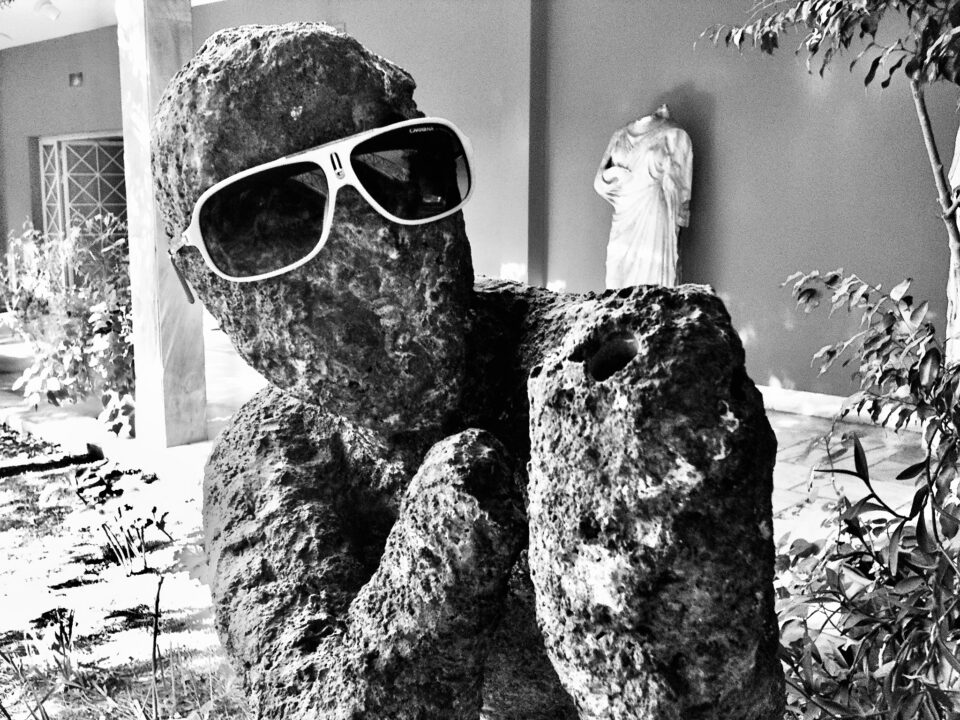
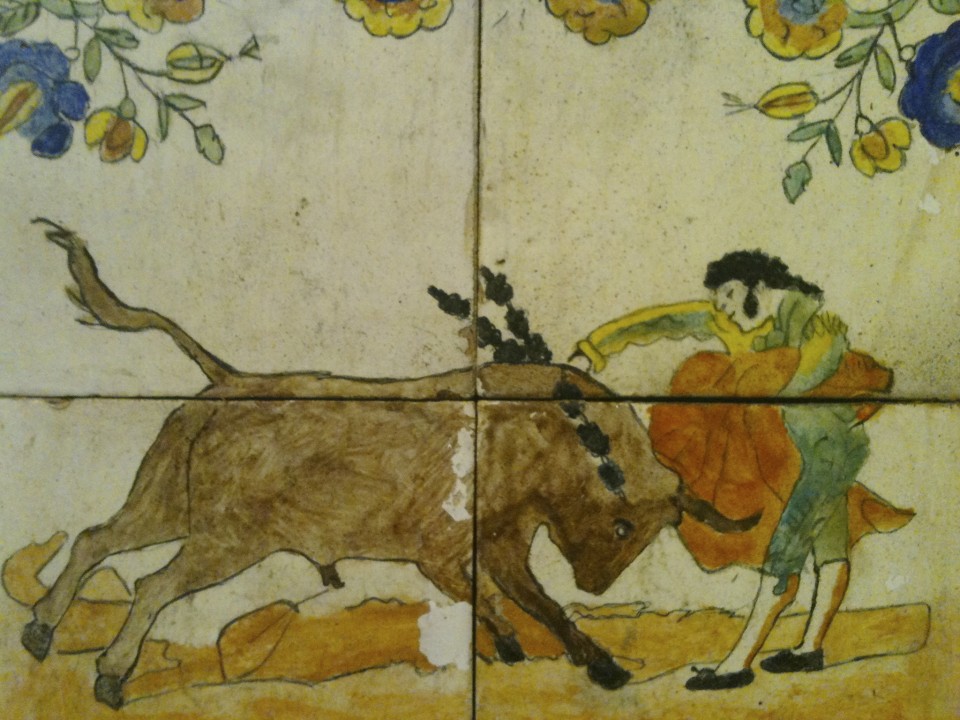
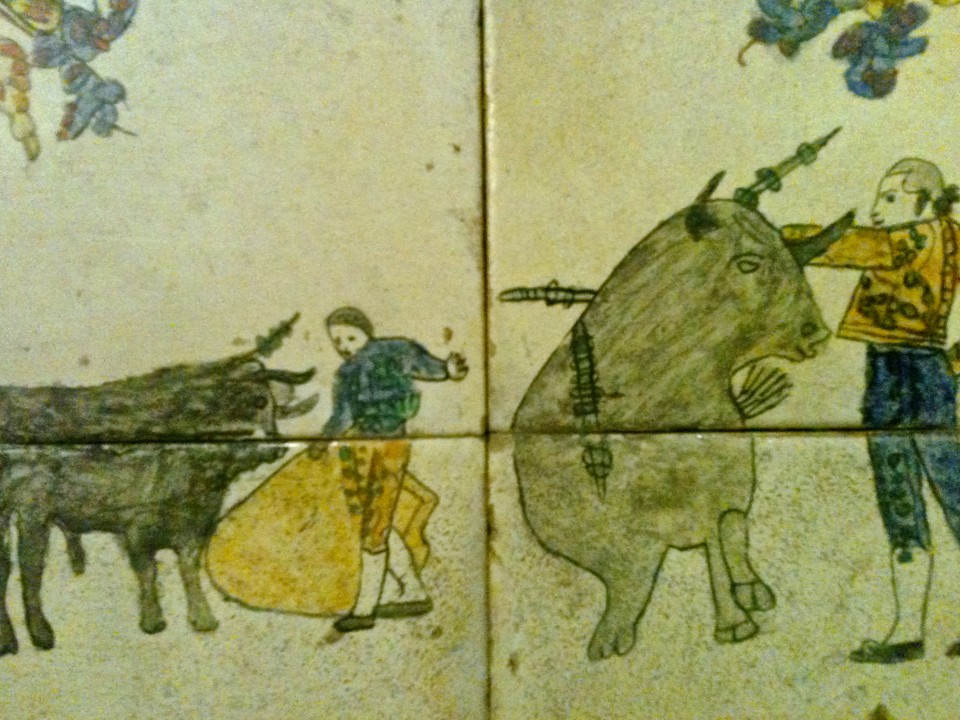
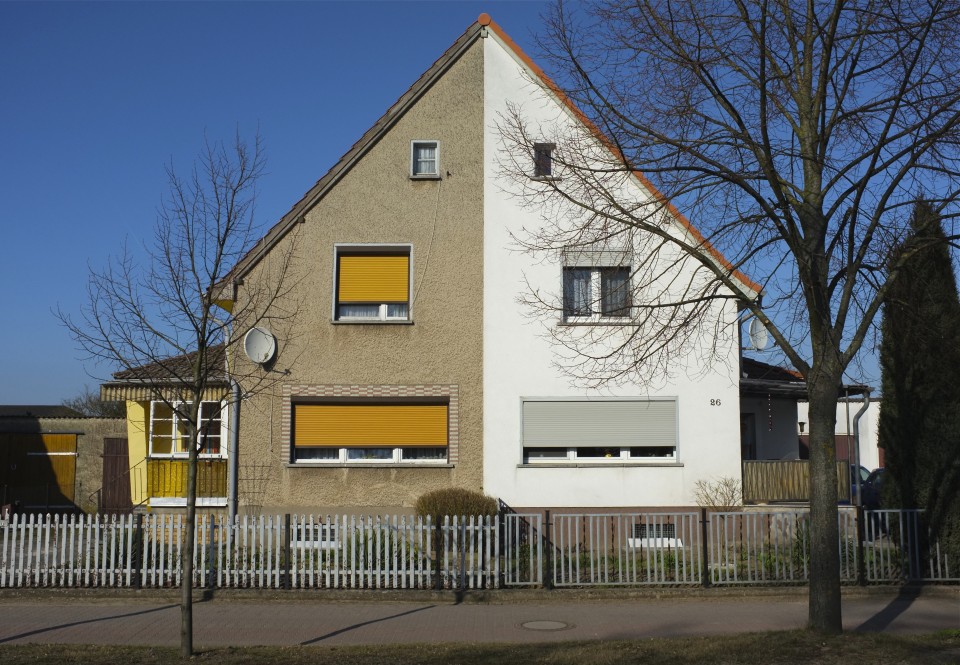
In Germany a phenomenon exists which is called „Doppelhaushälfte“. It literally translates into „half of a double house“. Funny that, because if you think of it the half of a double house should still be a house and not just one half of it. I don´t even know if „Doppelhaushälfte“ does exist in other countries because it really doesn´t make much sense, does it? As to prove my point people in a „Doppelhaushälfte“ do everything to make sure that their half of the house is a separate „house“ and easily recognizable as such.
Domenica Sportiva has always been my favorite sports program on Italian television. It is everything a (Italian) man can dream of, it is two hours of mostly football presented by a tall blond woman who talks like a Dominatrix and looks like a billionaire club Callgirl. Her name is Paola Ferrari, which actually adds to the impression.
One day a big thunderstorm hit the little Tuscan village and the television screen went crazy. In the old days I remembered the disturbances to look like a snow layer, everybody referred to a bad transmission as „snowy“. That of course has changed like everything else watching moving images. Today instead of snow we see some kind of a disconnected puzzle that is reminding us of what TV actually is.
go to GALLERY
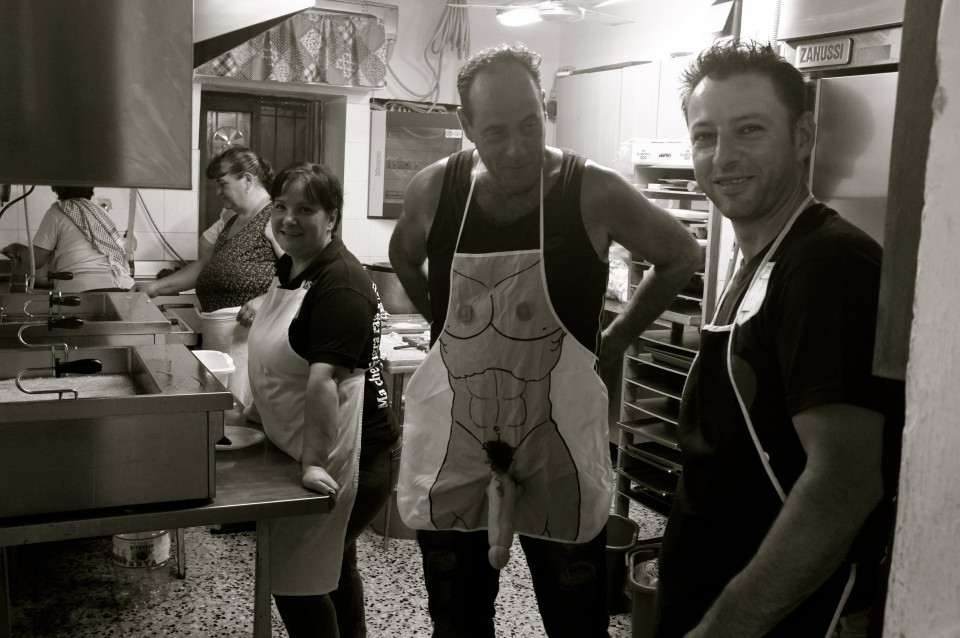
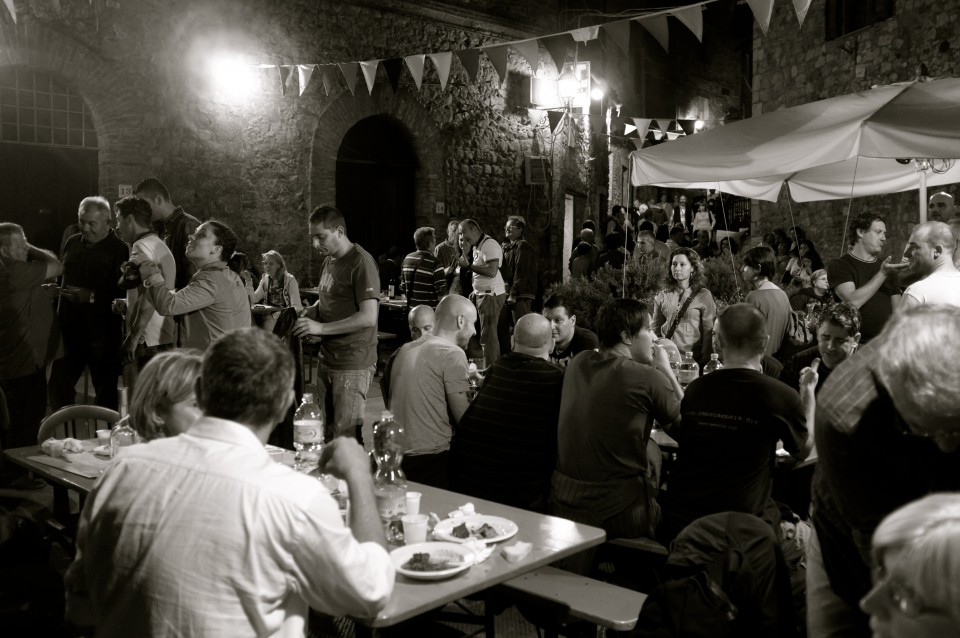
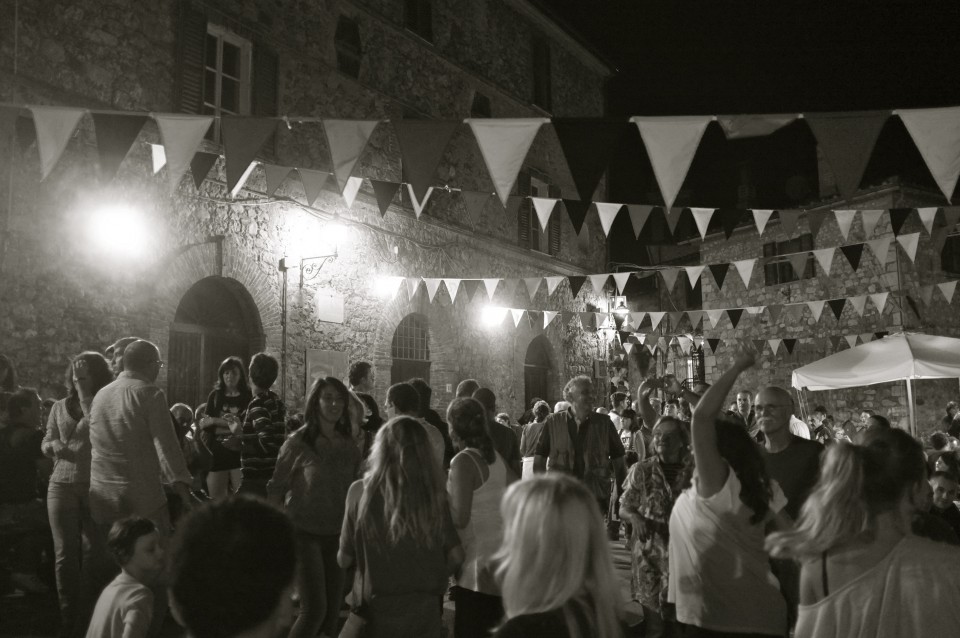
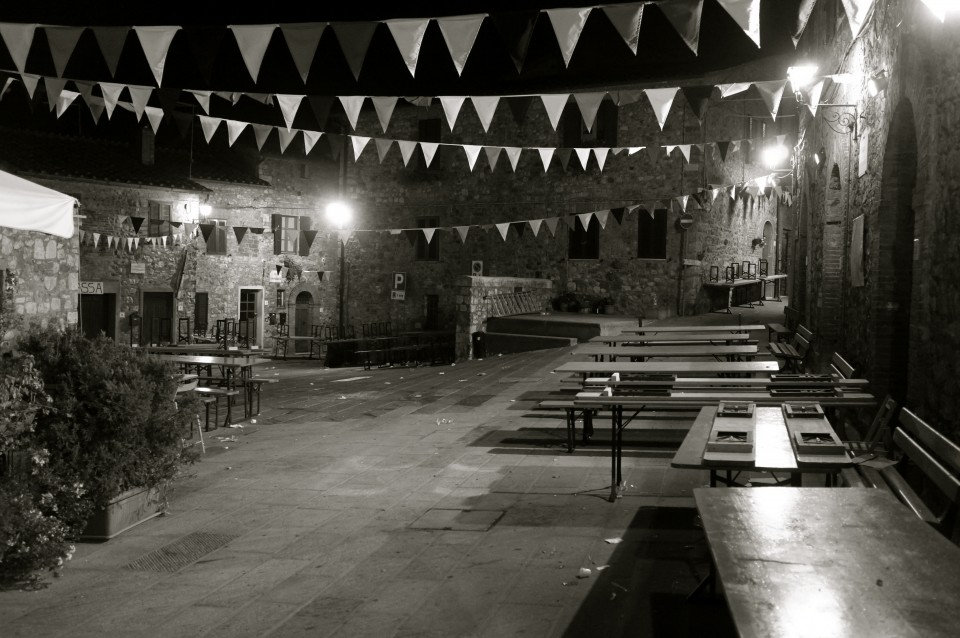
Pari is a tiny little borgo (village) close to Siena in Southern Tuscany where I like to spend some time during the year. It has 204 registered inhabitants, including me, a church, a piazza, a palazzo, a grocery and two restaurants. As is common tradition in Tuscany each little town has its own „Sagra“ which basically is a huge party with food, drinks and music. Every last weekend of September Pari is hosting „la Sagra delle Salsiccia“ which must feel to the locals like Easter, Christmas and New Year´s Eve packed into one big event. More than 2000 people are coming to the village to eat, drink and dance til the morning hours.
Why in the world would somebody name an ugly, one story bungalow that looks like it was built in a day Akropolis?
Think about it, three guys, maybe Greek, maybe not, maybe women too, maybe not, are sitting around a table at another Greek restaurant, drinking ouzo while discussing the business plan and name of a soon to be opened Greek restaurant in the middle of nowhere. Nowhere east. The next „city“ to get the proper picture is Gumtow. Google it!
GREEK 1
Why don´t we just call it Taverna?
GREEK 2
Because this is not a name, „Taverna“! We can´t call a restaurant „restaurant“
GREEK 1
We could call it „Taverna Number One“ then.
GREEK 2
That sounds cheap, numbers always sound cheap, like 7/11, you go to 7/11?
GREEK 3
I love 7/11, how about we call it „Taverna 7/12“, it is simple and it would tell the people that we are open everyday for 12 hours, let´s say from 12 to 12, lunch and dinner, no breakfast!
GREEK 1
Nobody has a Greek breakfast.
GREEK 3
„Taverna 7/12“ is perfect.
GREEK 2
It is bullshit. Numbers always sound cheap.
GREEK 1
You said that before.
GREEK 2
Still true.
GREEK 1
It should be more romantic, like what people think if they think of Greece, something like „Taverna...“
GREEK 3
Not Taverna again.
GREEK 1
„Taverna Dionysos“
GREEK 2
We don´t want „Taverna“.
GREEK 1
„Dionysos´ Temple“, temple sounds like...
GREEK 3
„Akropolis“!
It might not be the greatest record in Thelonious Monk's vast catalog, but it truly is the most obscure. First of all it shows the High Priest of American music as a French terrorist (that's what you'd call a resistance fighter today) gone underground. What's wrong with you guys in the art department? You don't have to put him in a studio set full of explosives to tell me he's Underground. Monk is THE Underground. Has always been. Will always be. How about the beautiful terrorist woman in the back, who's she? And the cow? The Nazi? Am I wrong or is Monk just playing a deadly lullaby to the man with the Swastika? „Thelonious“ could certainly kill a Nazi. For sure. DADA 1968.
The more distinct reason though to love this record is another track, which exposes nothing less than the essence of Monk's music. The moment of surprise. It is the only waltz he ever recorded, it is his bow to the great European past. It is the ultimate theme song of the 20th century.
UGLY BEAUTY!
Up in a room of the SAS Royal Hotel overlooking Copenhagen you feel the Scandinavian lust for nudity. As with the sauna concept too, nudity must be related to some subconscious, anarchic defiance dealing with the cold. Nowhere else could the sexual revolution be more successful than here.
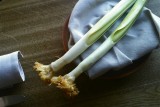
Dressed again we went for lunch at the world famous „Noma“ and had another kind of revolutionary experience, which in a certain way seems to have evolved out of a similar genius as the sexual revolution. Let's get naked! Taking off your clothes in the world of cooking simply means, to present an ingredient in its natural and pure beauty instead of wrapping it up. My favourite of all the favourite dishes at Noma was the leek, which only slightly „trimmed“ and fried at the tip was just a perfect example of „nude cuisine“.
In a land where the horse used to be of greater value than the tent you lived in it shouldn´t surprise us much to see those huge SUVs in front of houses that are barely the same size. Not only that, I suppose there is no couch in the whole house as comfortable as the leather bench seat, no stereo matching the fat sound of the built in woofers and the installments for the house are probably higher than the monthly gas bills, even for a monster like that. That´s why.
Champions League Final at 11.30 a.m. Messi is sitting next to Rooney, everyone but a bunch of latinos is excited about the „greatest soccer event of the year“ desperately trying to understand the fascination of the game. Kickoff. Only a couple of minutes into the game the excitement is gone leaving most people look as if they were invited to a Memorial Day barbecue. It will never be an all American sport, too close to life and much too far from being entertaining unless you can really follow and understand the game. Nevertheless it was fun, Rooney and his brother Messi by the way were both from El Salvador.
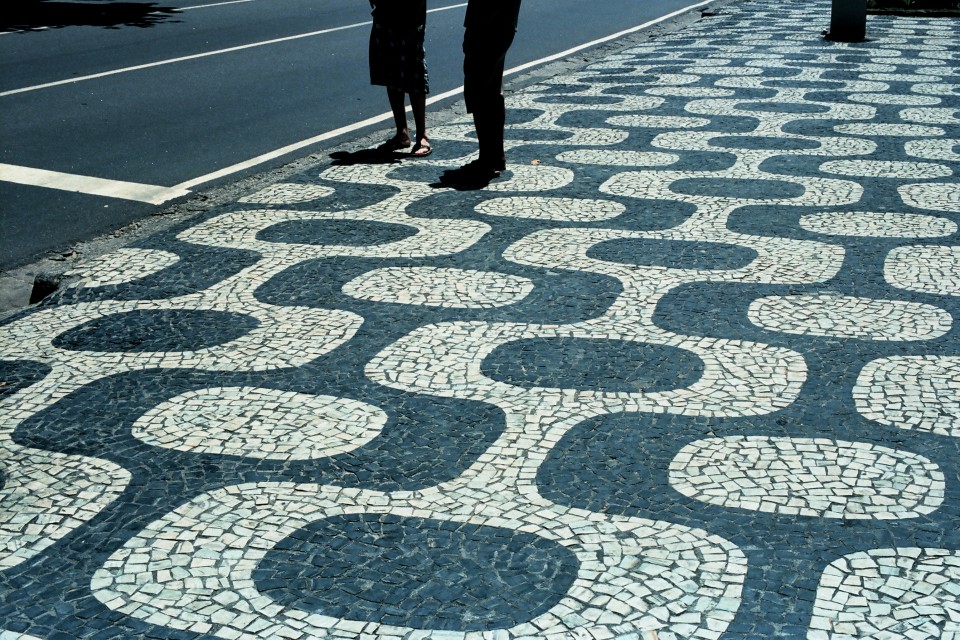
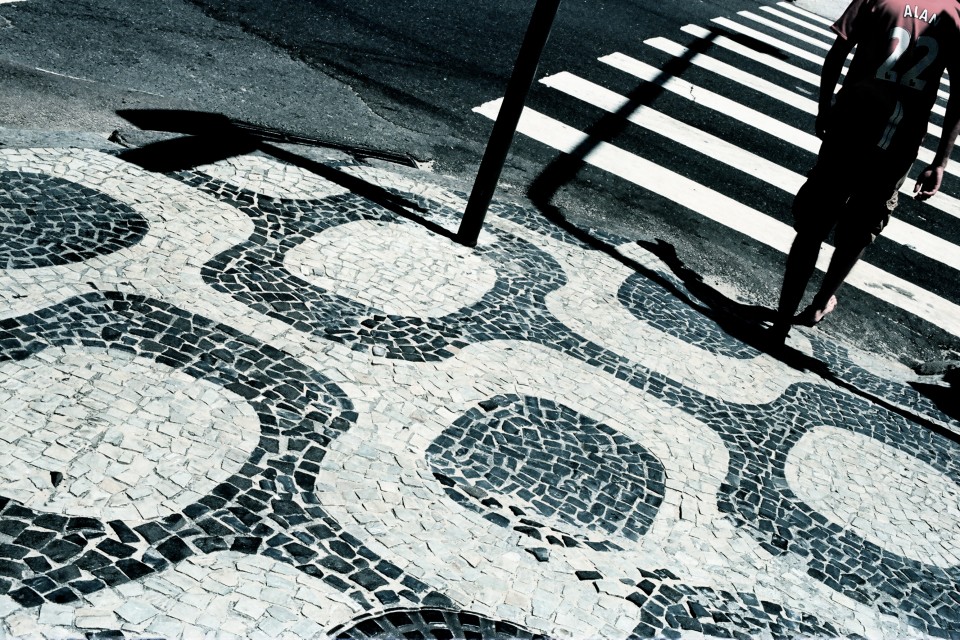
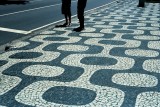
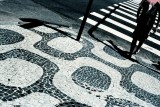
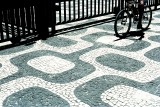
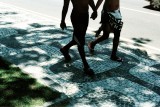
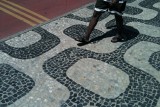
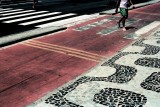
When Roberto Murle Marx woke up one morning he had dreamed about turning the whole of Copacabana into a garden. Whenever the garden needed water the waves from the ocean would gently water the lawns, retreat into the ocean leaving them to dry in the sun until they had transformed into waves of stone.
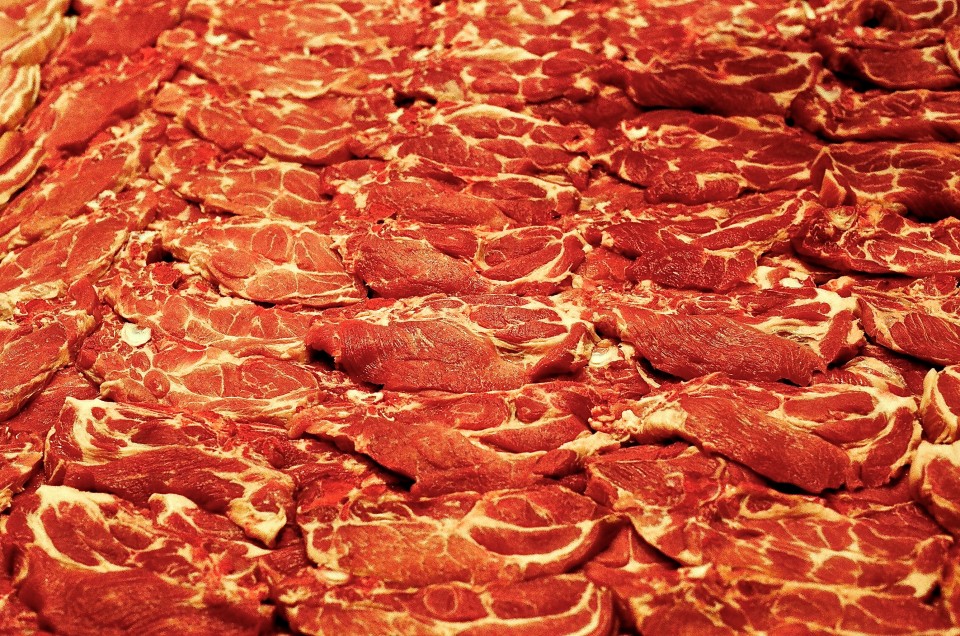
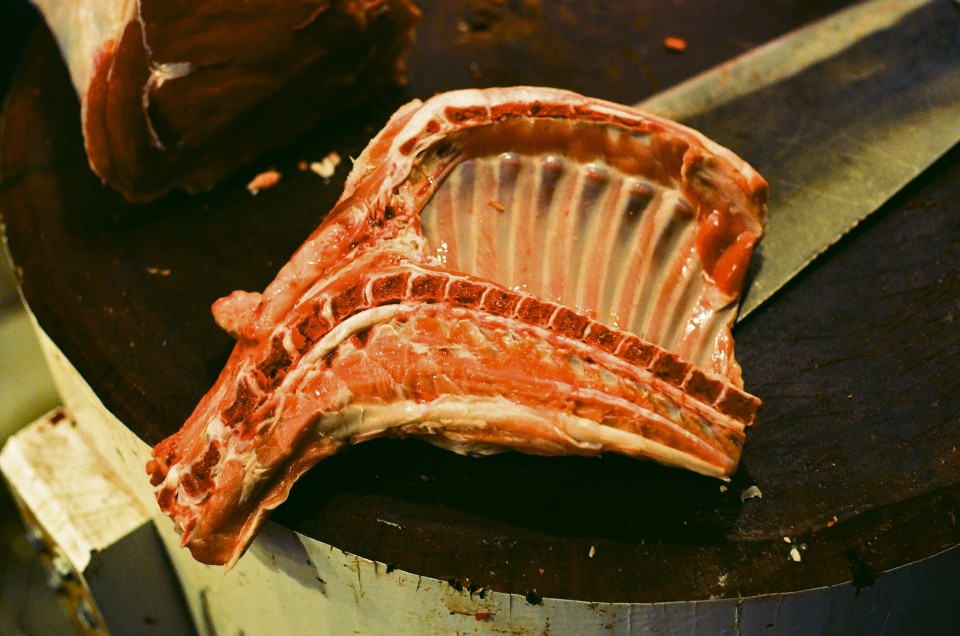
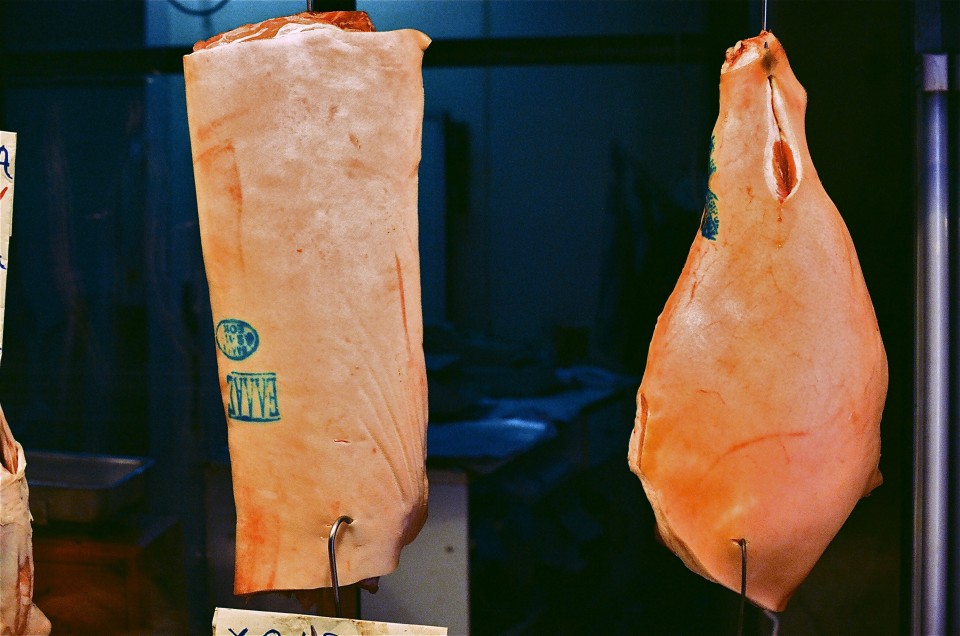
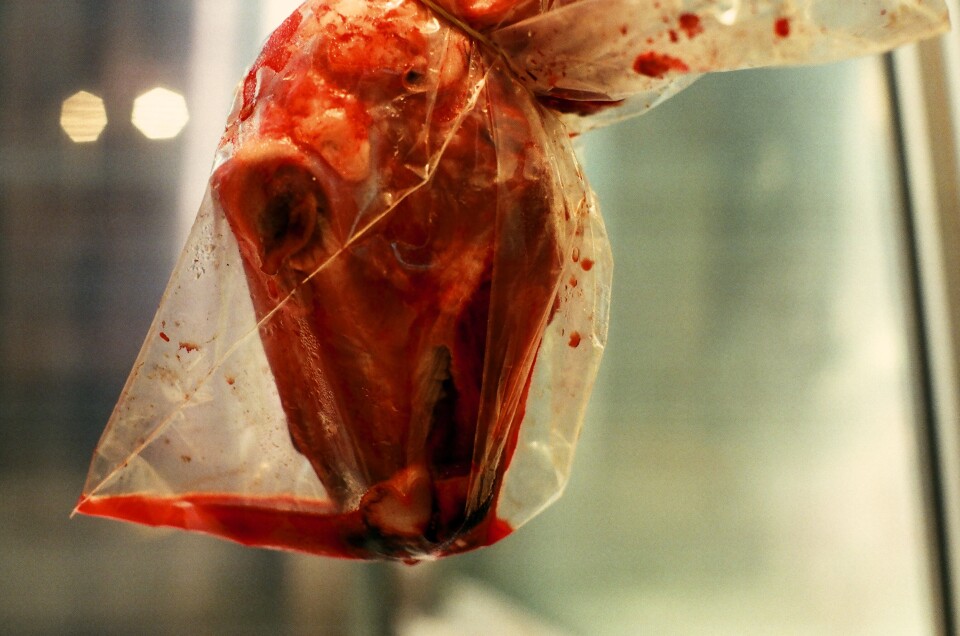
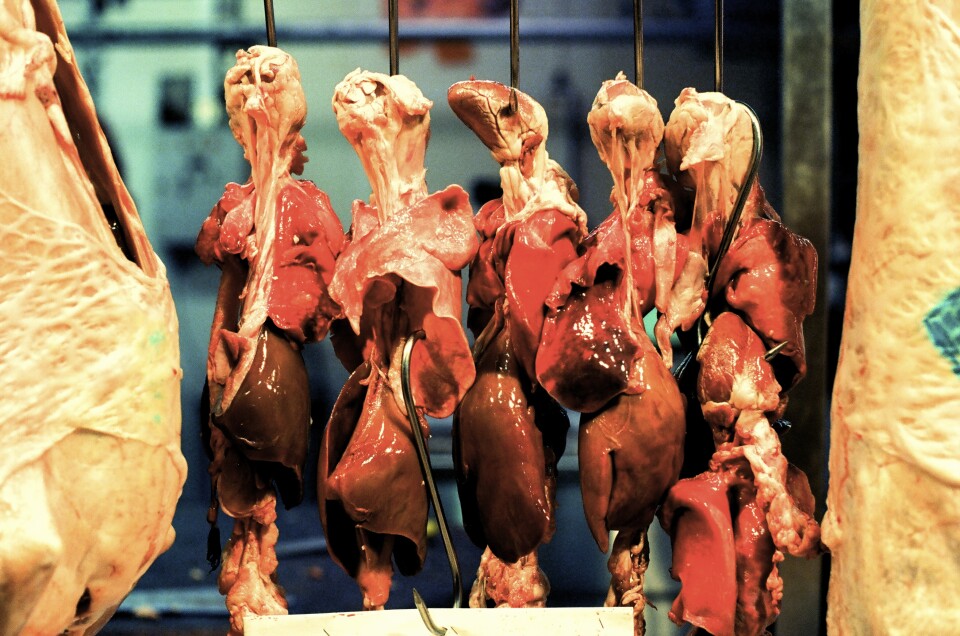
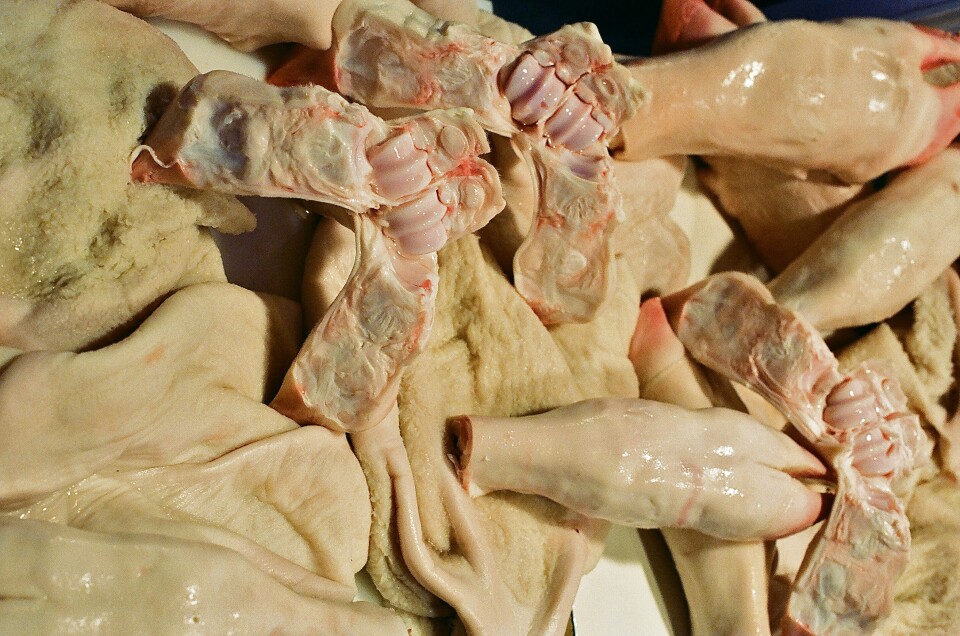
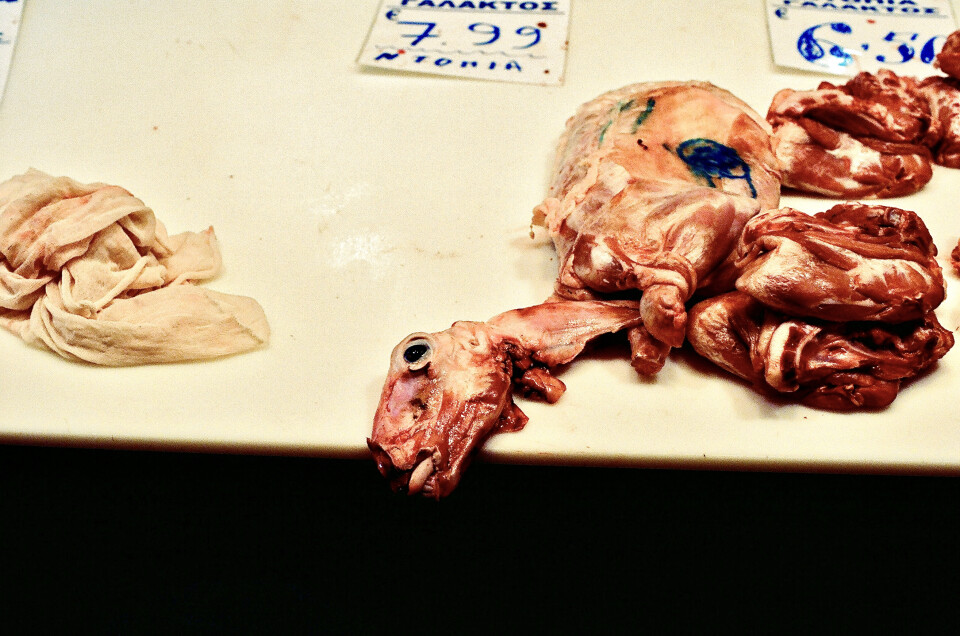
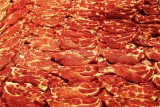
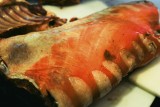
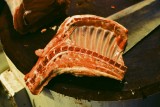
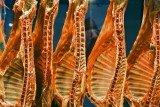
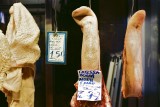
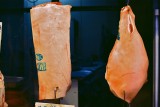
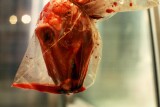
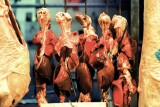
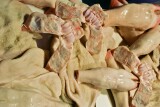
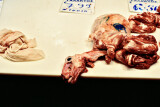
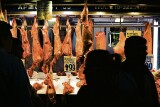
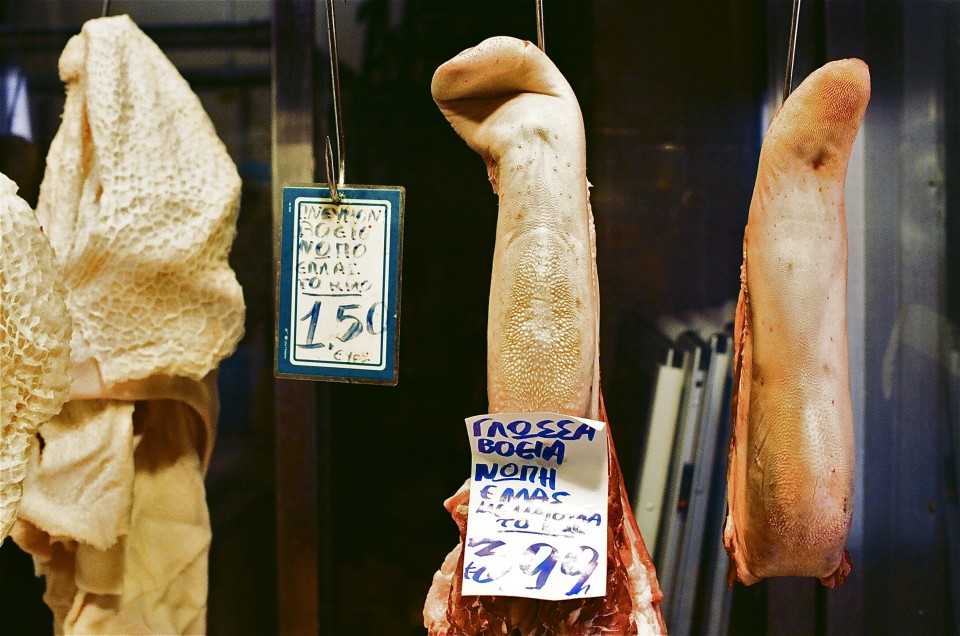
Just visited Varvakios Agora, a truly beautiful and "orthodox"meat market. Here it is all about the art of butchering whereas the aesthetics of fragmenting an animal into its anatomic parts has been more and more banned from Western Protestant civilization by presenting the cuts as an artificial, disconnected part of the animal, which looks like it never actually lived. There seems to be an inner logic of not eating the parts of an animal that define its very existence, its head, the brain as well as all the life spending organs. Thus we could say that people in Western societies of today tend to only eat the parts of an animal that are dispensable to its life, letting their subconsciousness suggest they didn´t kill the animal!
Greco-Roman is not only a form of wrestling, but also a form of pondering. It involves wrestling with one's own existence.
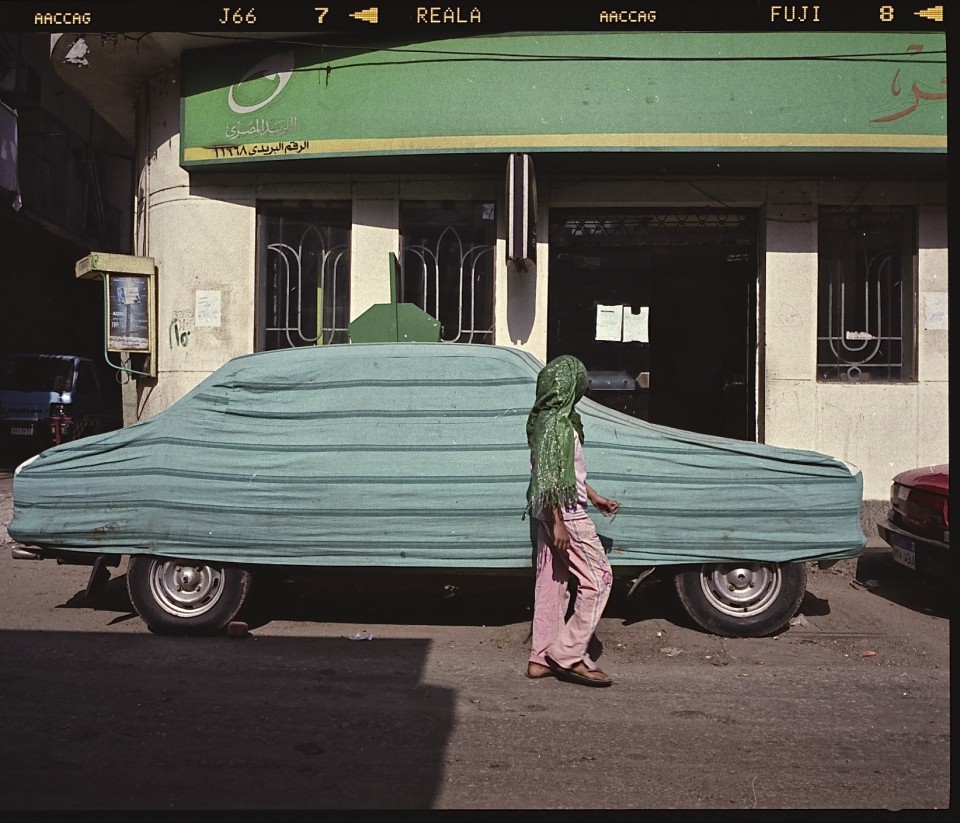
Coming back from the restaurant where she had helped her cousin with the preparations of the wedding party she wore the green hijab that her mother had given her only two days ago. Since it was her first hijab she still didn´t feel comfortable wearing it until she passed an old car standing at the roadside covered under a green blanket. Just like herself.
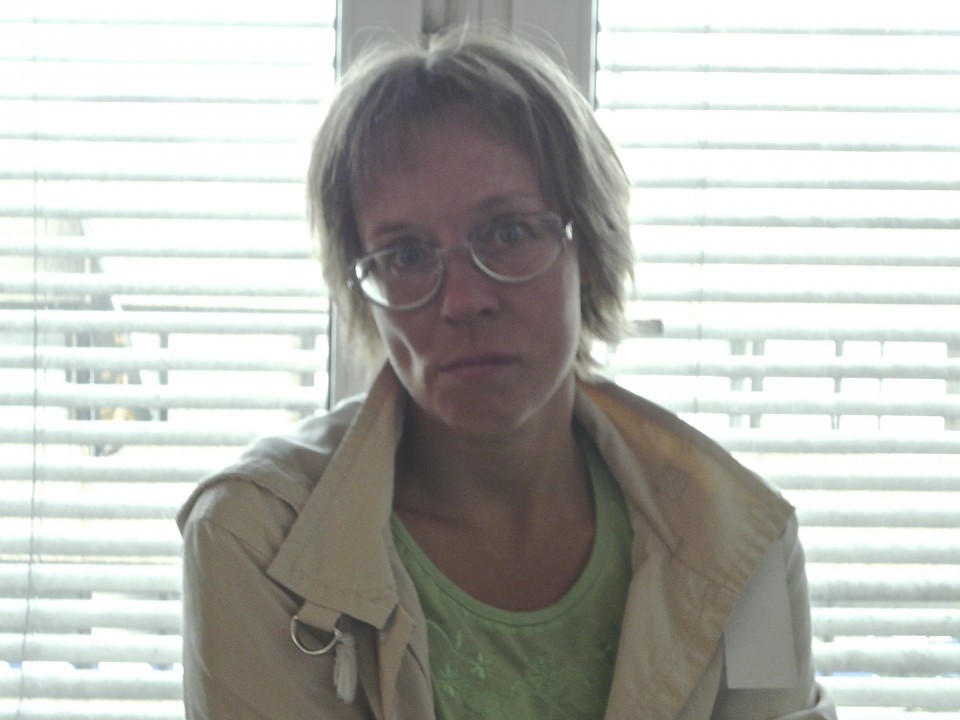
Today we did the final make up tests for my upcoming movie „Pigeons on the roof“. The movie is quite an experiment by starring only two actors, Katja Riemann and Olli Dittrich, in all main roles respectively. There have always been movies with one actor in different parts but as far as I know it was never done to this extent by having all the main characters of a movie played by only two actors. I suppose this is the closest you can come to theater and its concept of „make believe“. What a little make up can do!
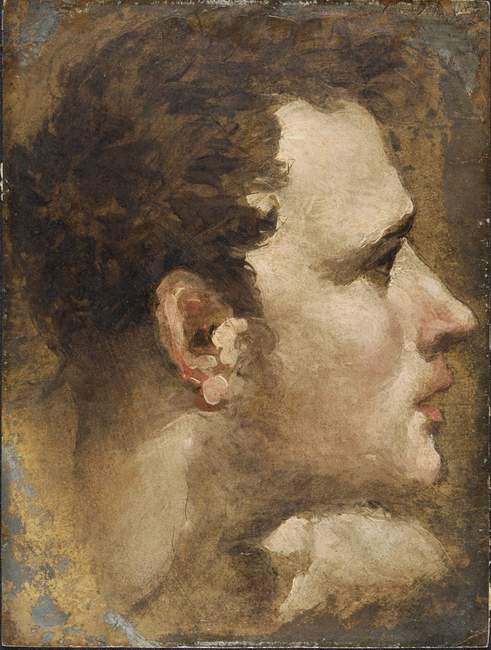
This sketch painted by the great Sienese painter Beccafumi in 1546 is one of the most fascinating obscurities in art history. It is one of the lesser known pieces at the Louvre eventhough it looks well ahead more than 300 years without any pretension or will but only by chance. The style in which it is painted must have seemed ultra modern not only to his contemporaries but also to Beccafumi himself for it clearly shows signs of abstraction which even in sketches of that time were unusual, given the fact that the art of painting had just reached the highest level of naturalism in portraying people with virtually photographic precision. If you hang this picture next to a Cezanne portrait of roughly 330 years later they truly seem to come from the same period. Imagine Bach having written „Sympathy for the devil“!
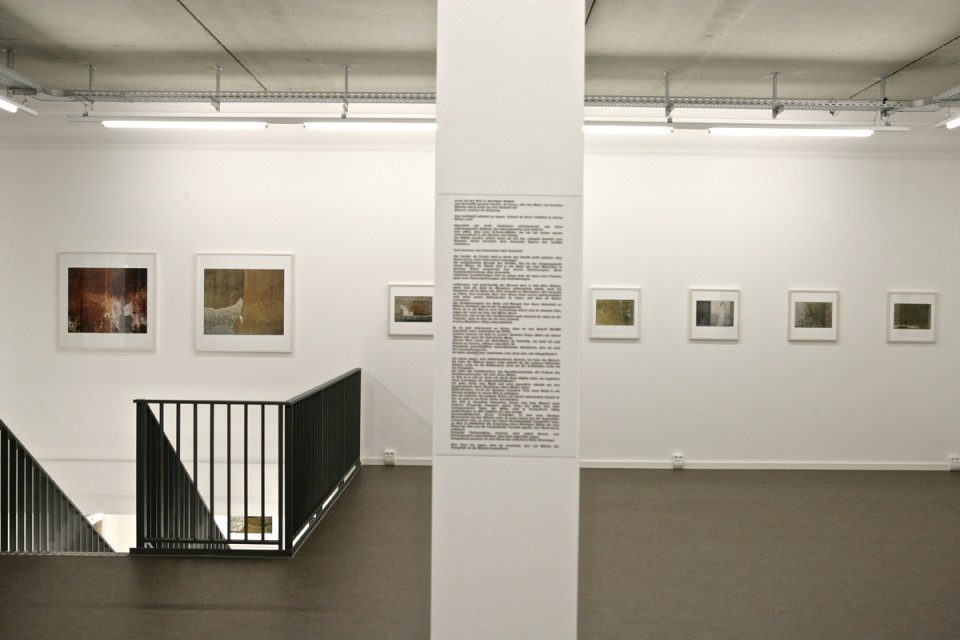
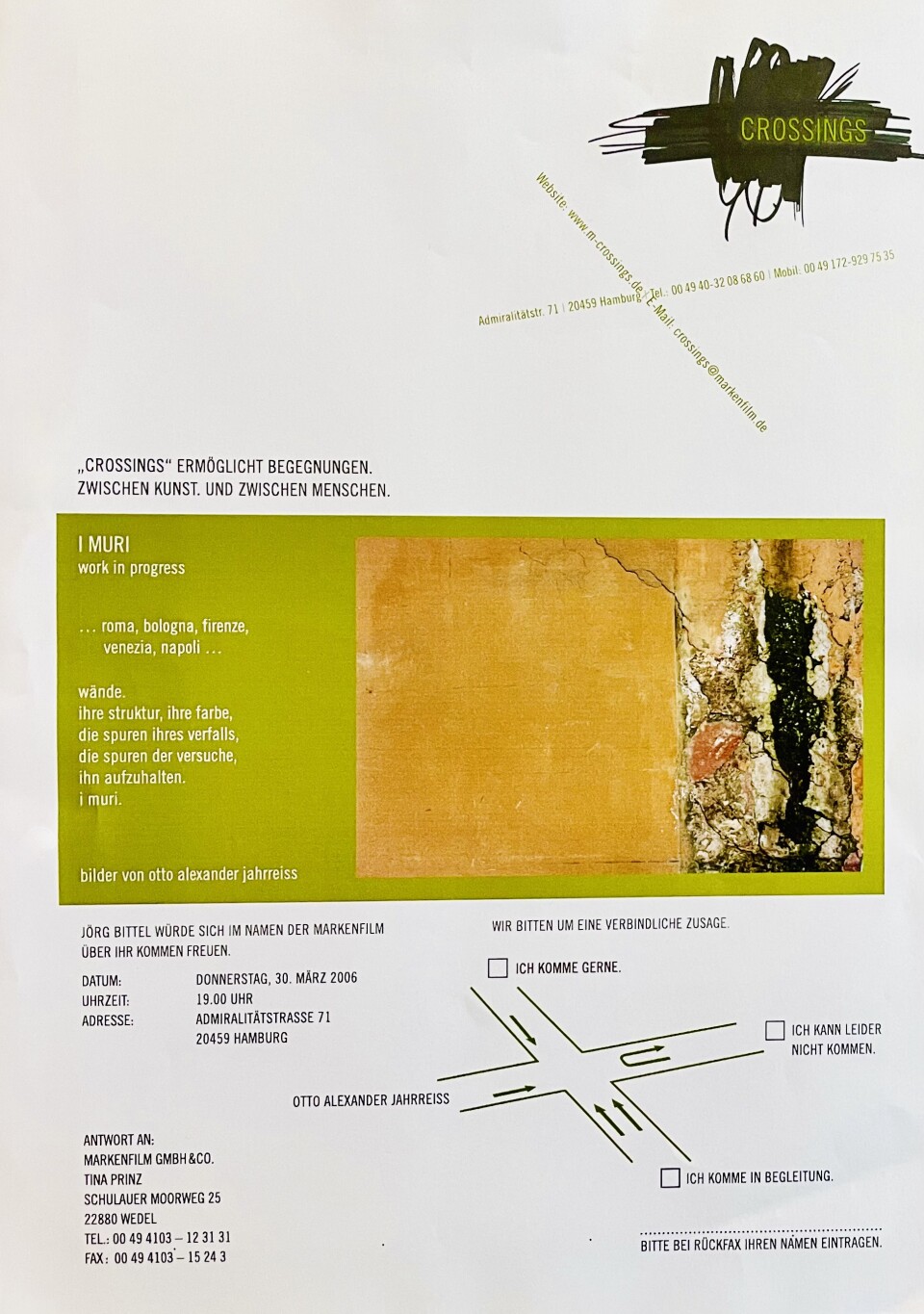
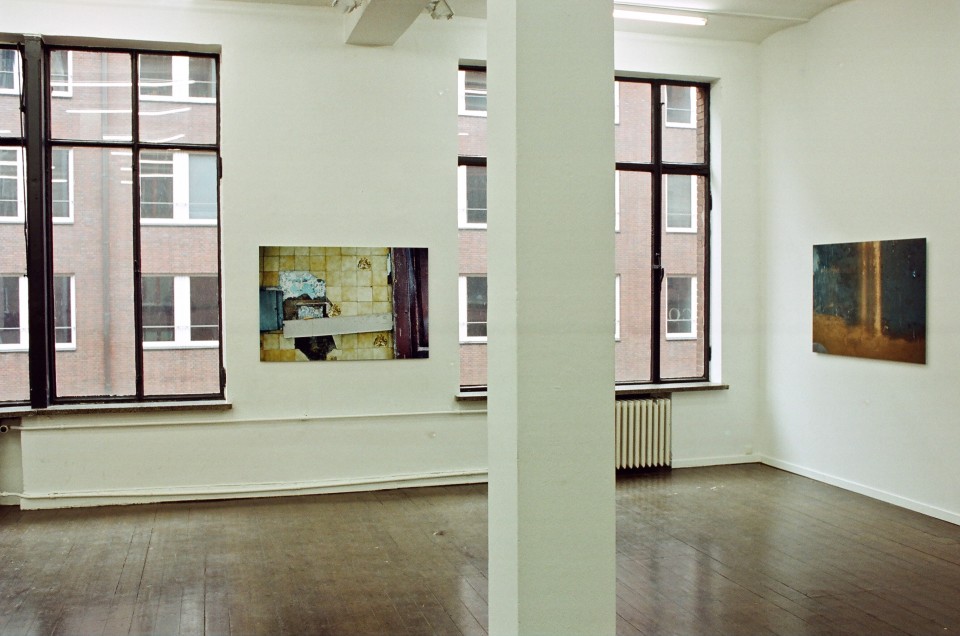
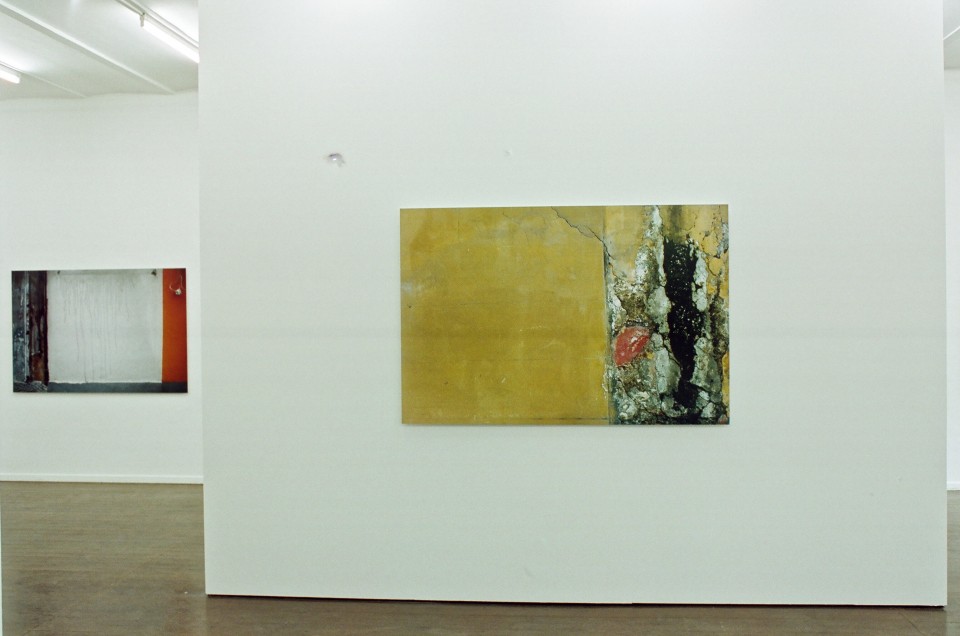
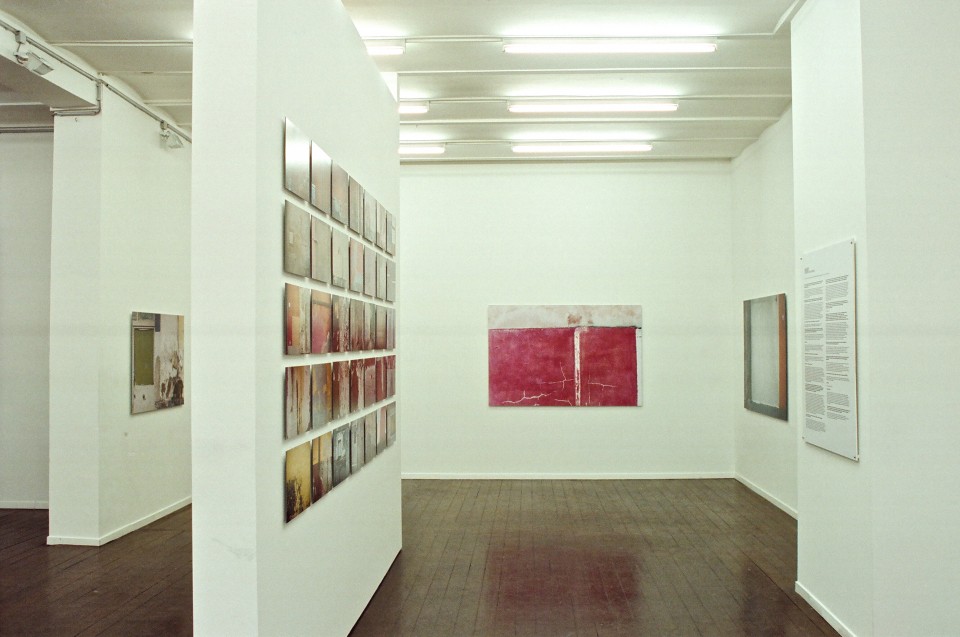
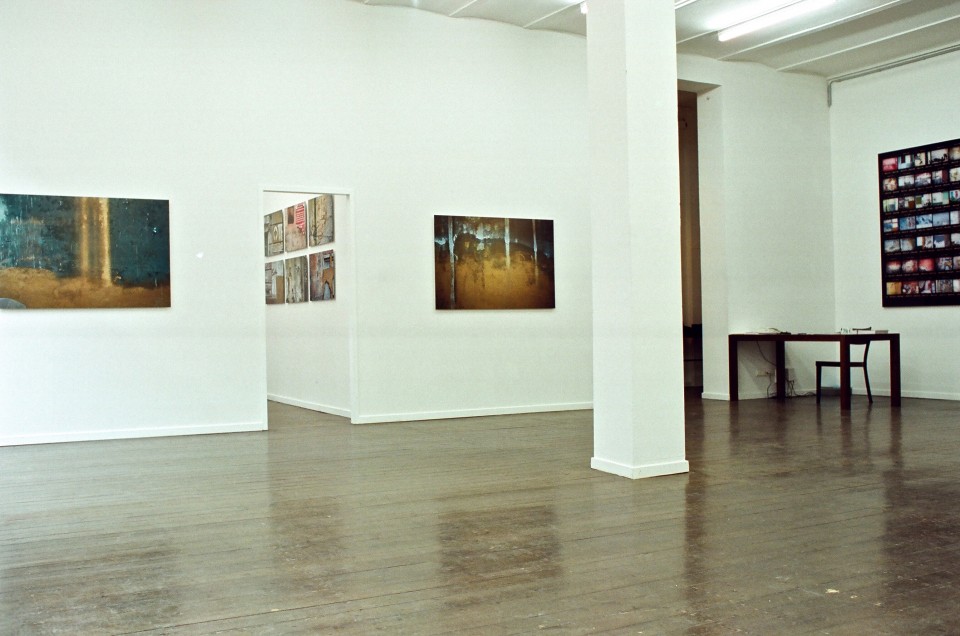
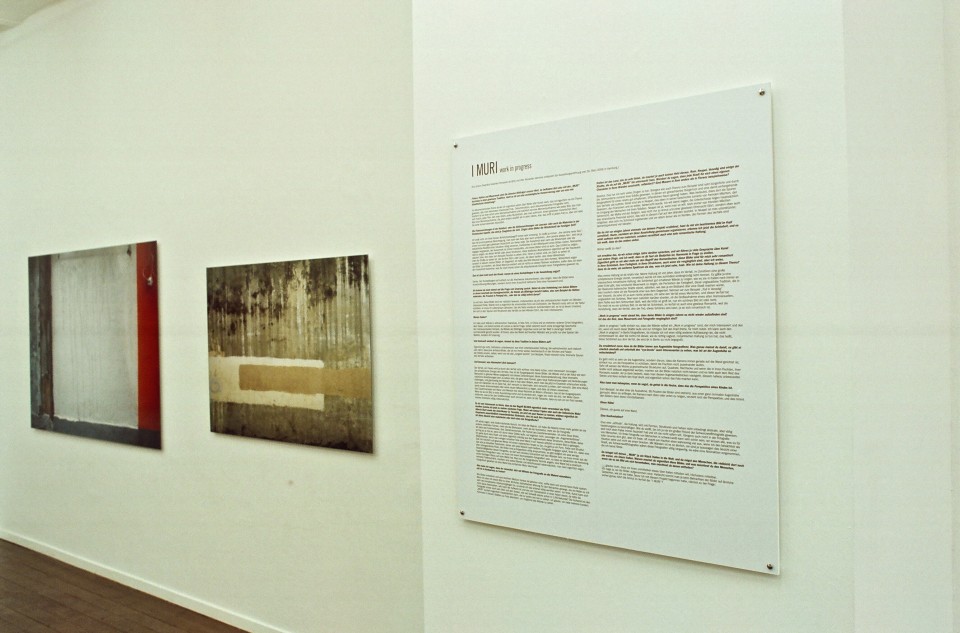
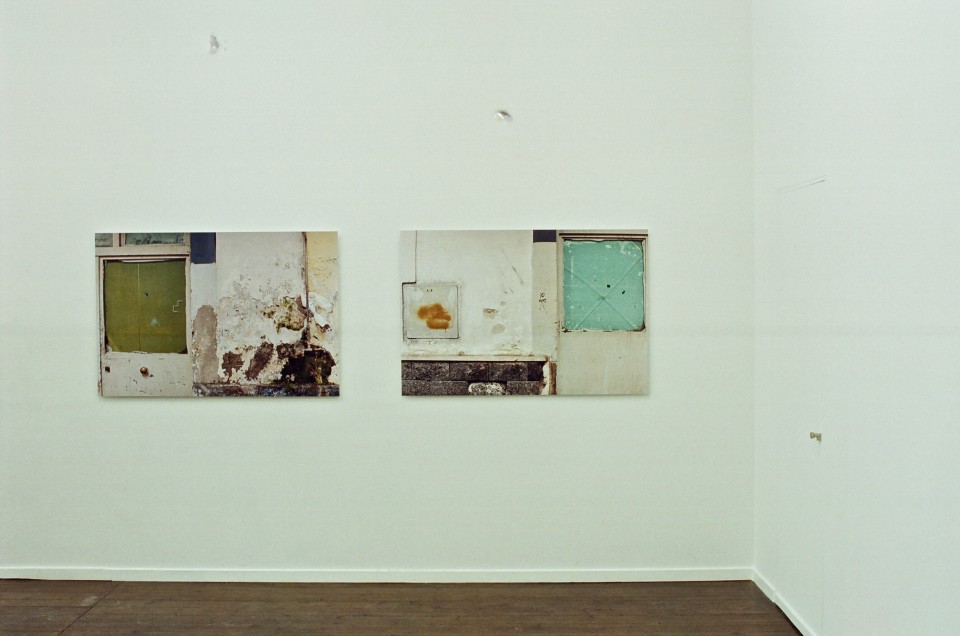
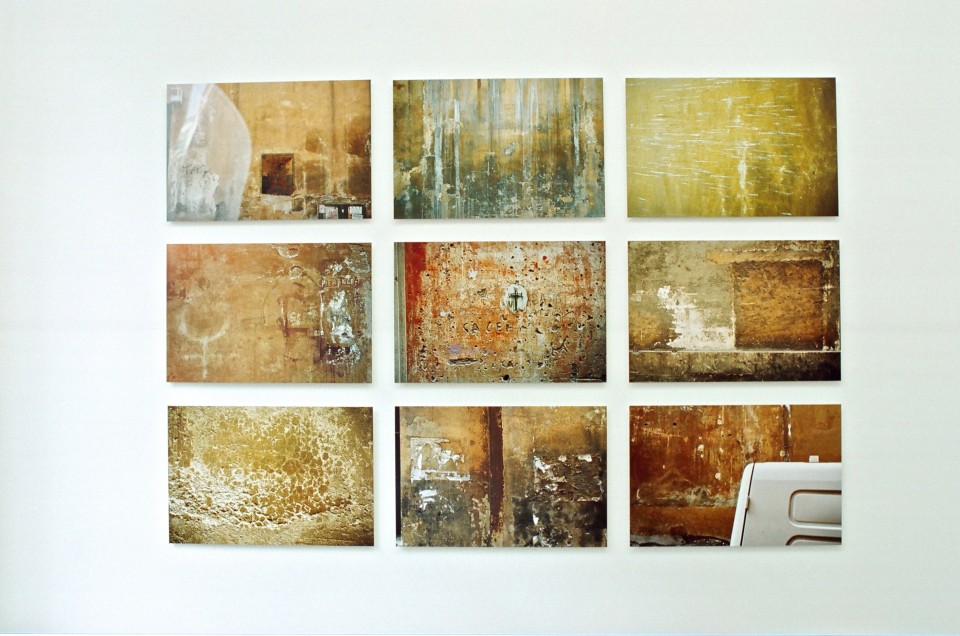
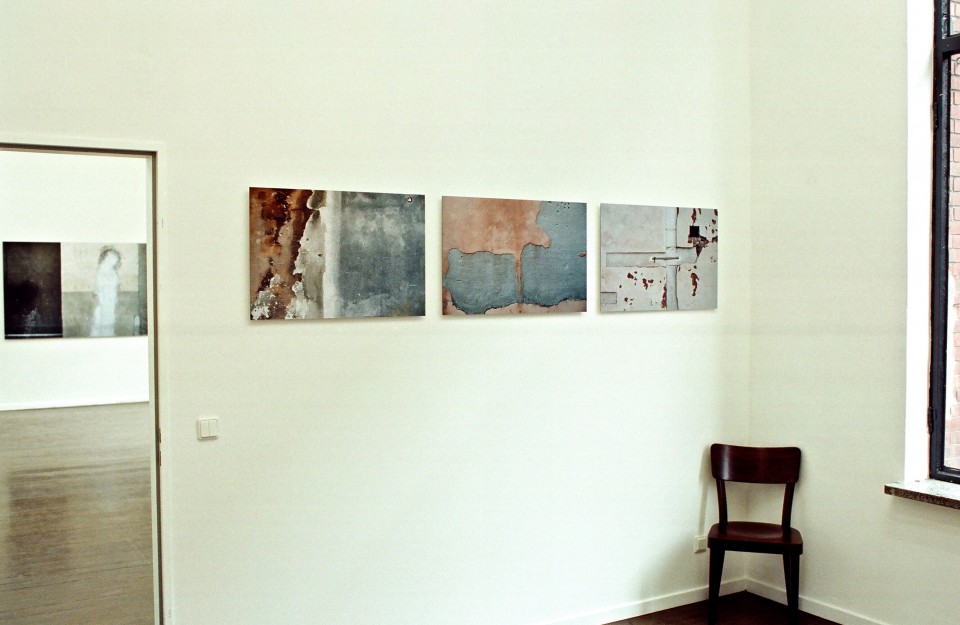
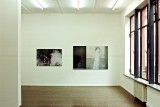
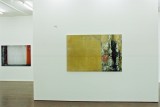
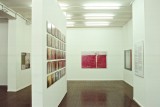
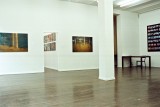
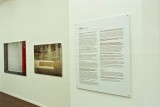
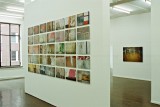
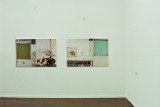
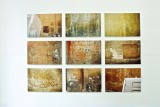
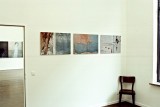
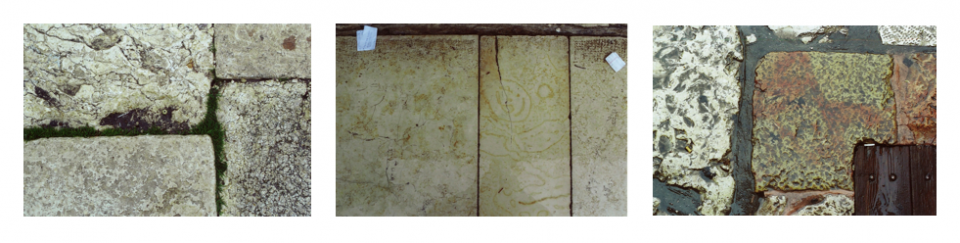
March 30, 19 MEZ, Vernissage "I Muri" at the wonderful "Crossings" gallery in Hamburg, Admiralitätsstrasse 71, 20459 Hamburg. Looking forward!
Having the right passport, it only takes you a couple of minutes to stand on the holy grounds of all three monotheistic religions in the old town of Jerusalem. Only in the city of God it seems one can understand the true reason for religious hostility and intolerance.
Don´t live to close to one another!
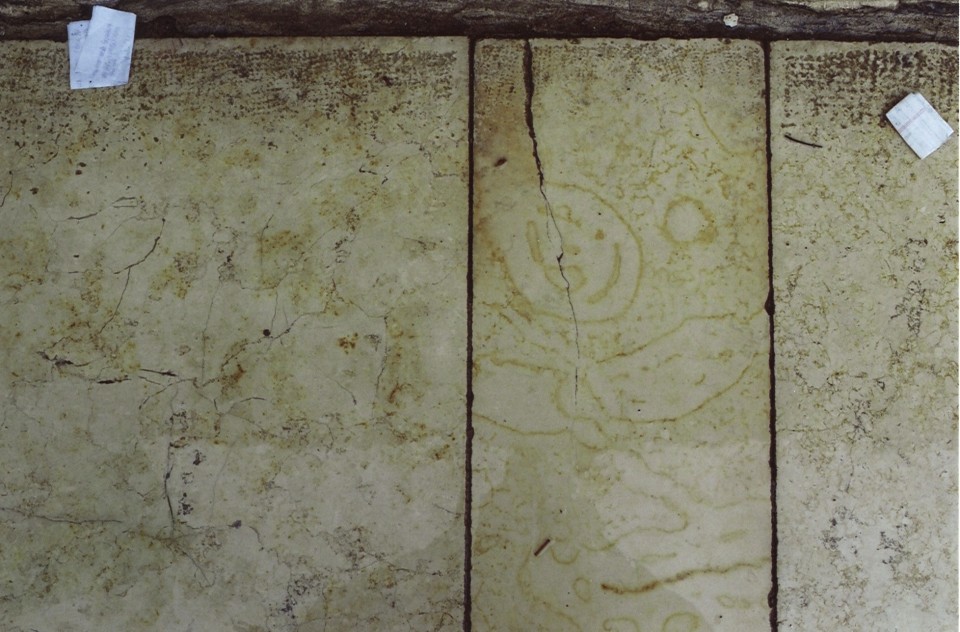
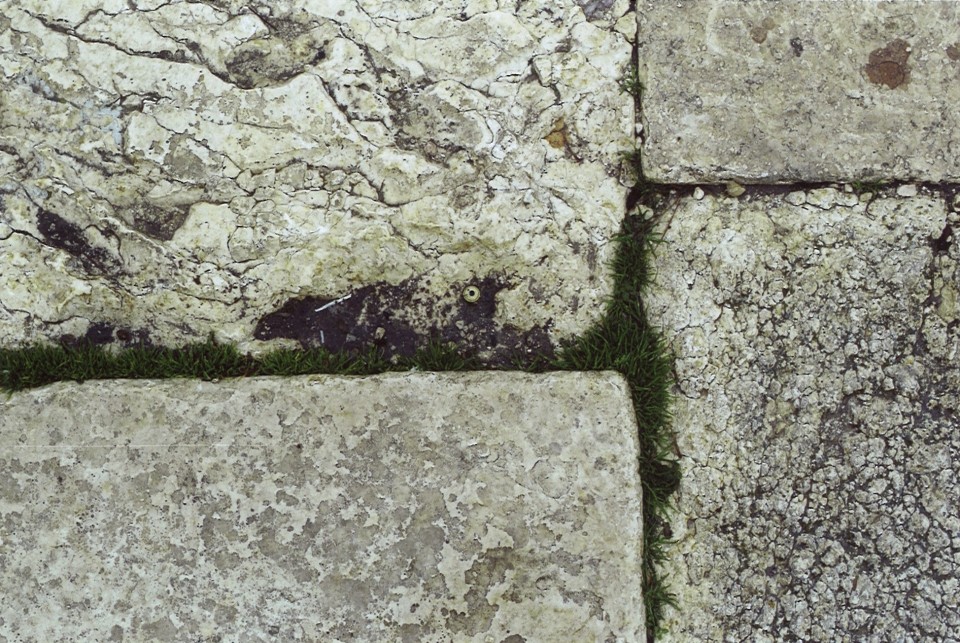
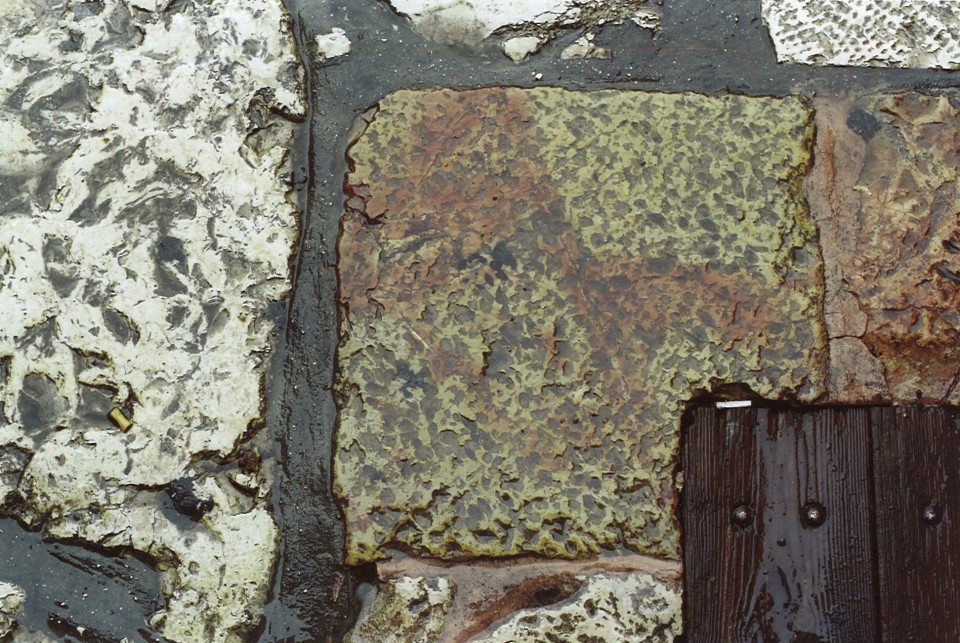
The little chits of paper on the polished limestone floor of the Western Wall, the grass shining through under the rock in front of the al-Aqsa Mosque from which Mohammed ascended and the wooden plank, reminder of the wooden cross at the Church of the holy Sepulcher.
Too close!
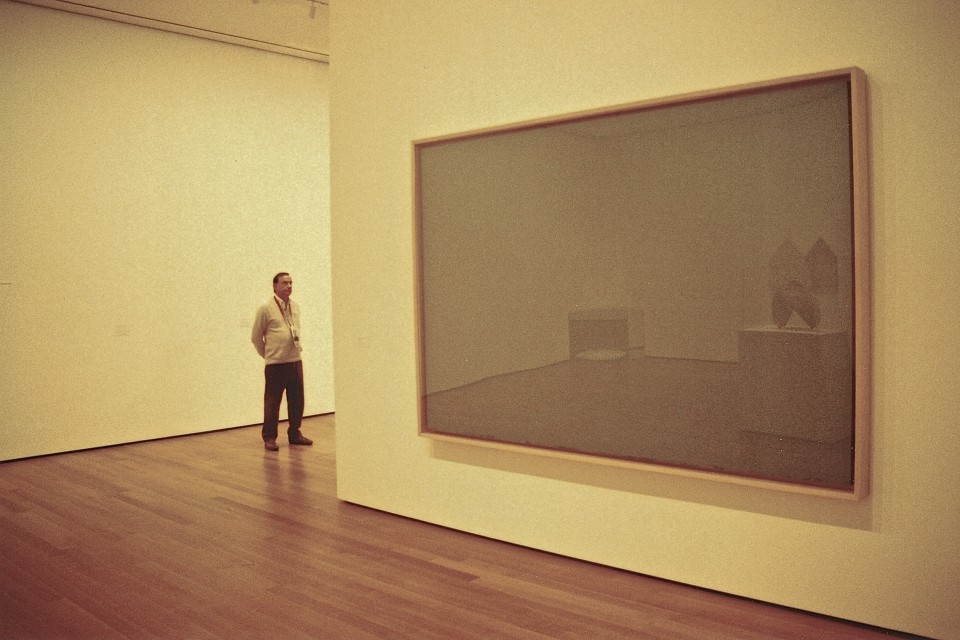
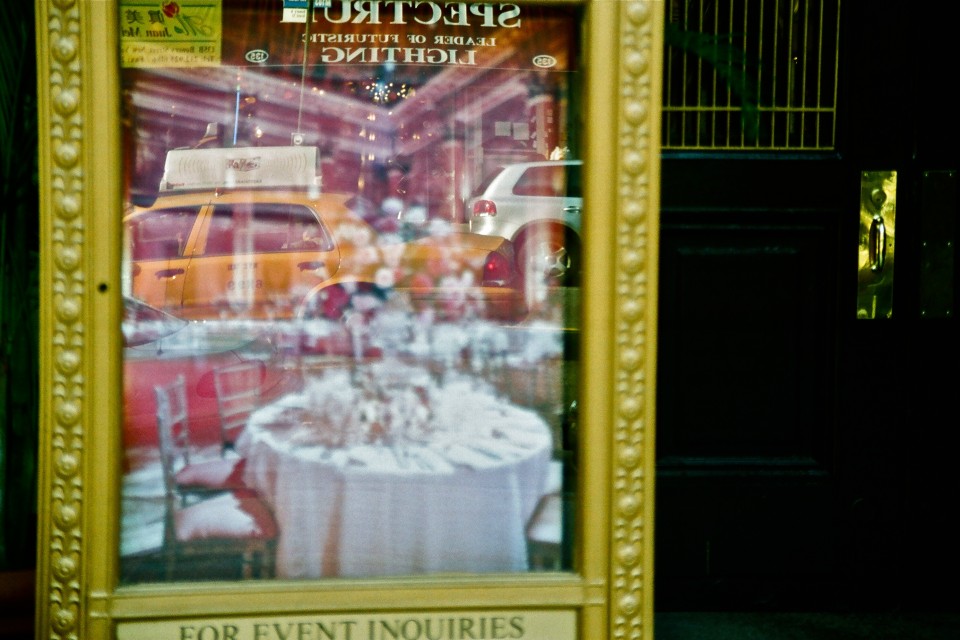
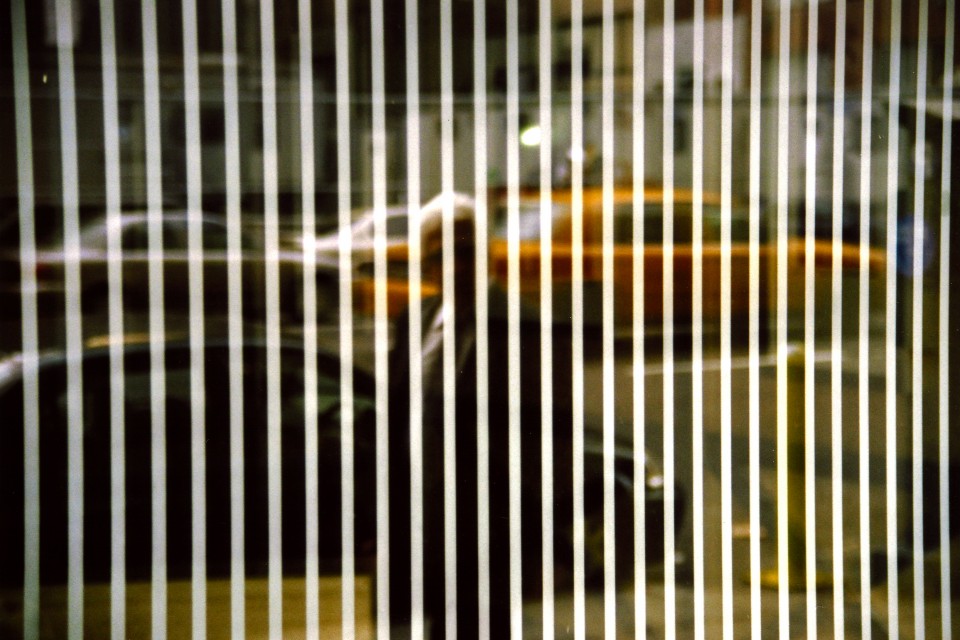
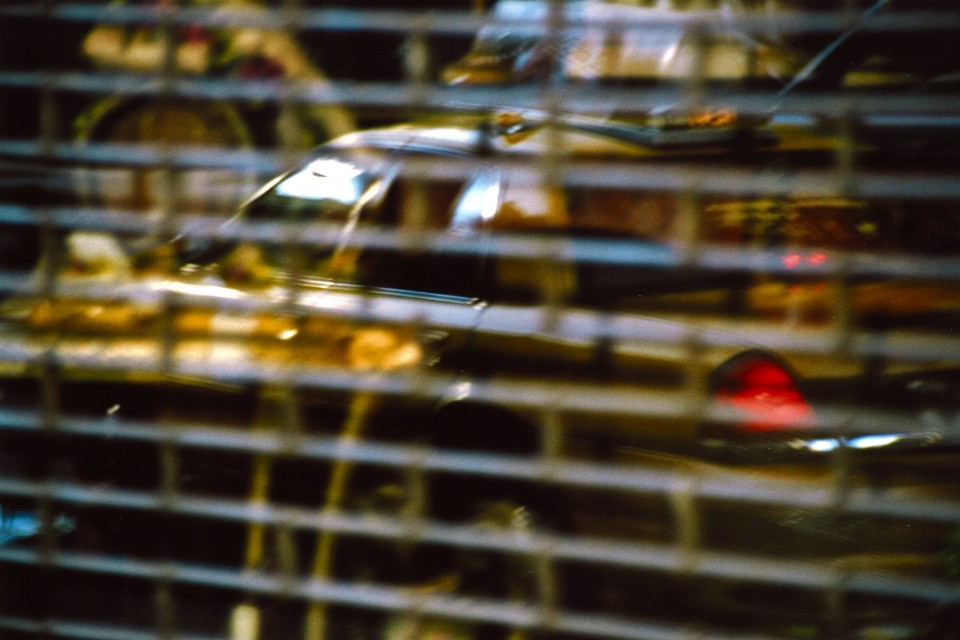
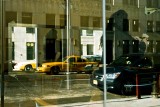
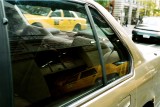
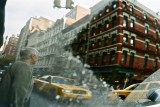
There only is this photo. I don´t even remember having taken it. I usually never even bring a camera to a museum, let alone take a picture of a picture. Whoever is next to visit the Moma in New York City, please tell me, if this work of art is actually existing. Does anybody even know the artist by chance? What is also strange, I remember the museum being quite crowded but there is no one to be seen in the reflection which again lets me wonder if the picture on the wall does actually exist. Really strange.
They paved paradise
And put up a parking lot
With a pink hotel, a boutique
And a swinging hot spot
Don't it always seem to go
That you don't know what you've got
Till it's gone
They paved paradise
And put up a parking lot
They took all the trees
And put them in a tree museum
And they charged all the people
A dollar and a half to see 'em
Don't it always seem to go
That you don't know what you've got
Till it's gone
They paved paradise
And they put up a parking lot
Hey farmer farmer
Put away that D.D.T. now
Give me spots on my apples
But leave me the birds and the bees
Please
Don't it always seem to go
That you don't know what you've got
Till it's gone
They paved paradise
And put up a parking lot
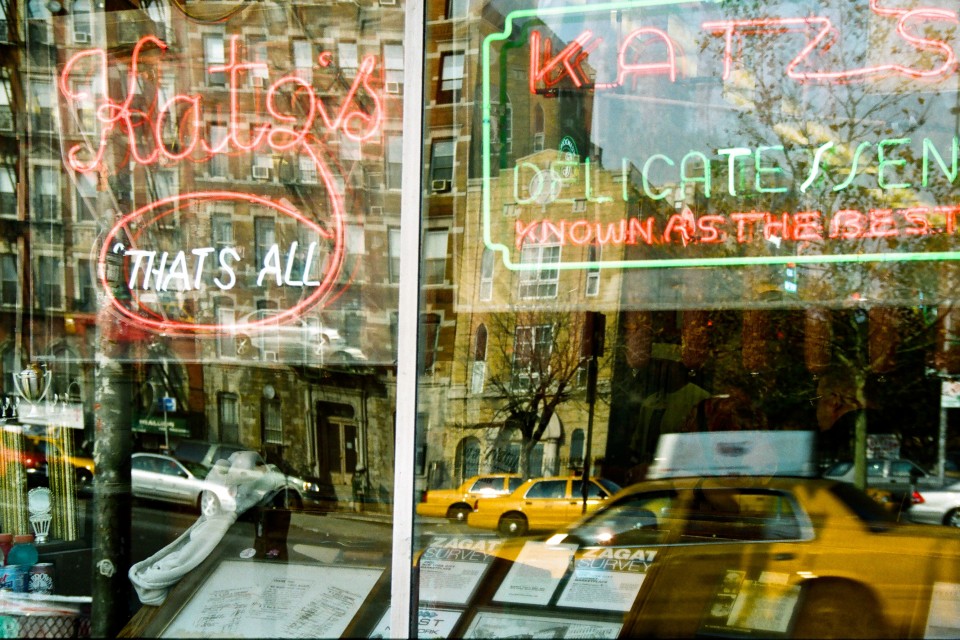
Late last night
I heard the screen door slam
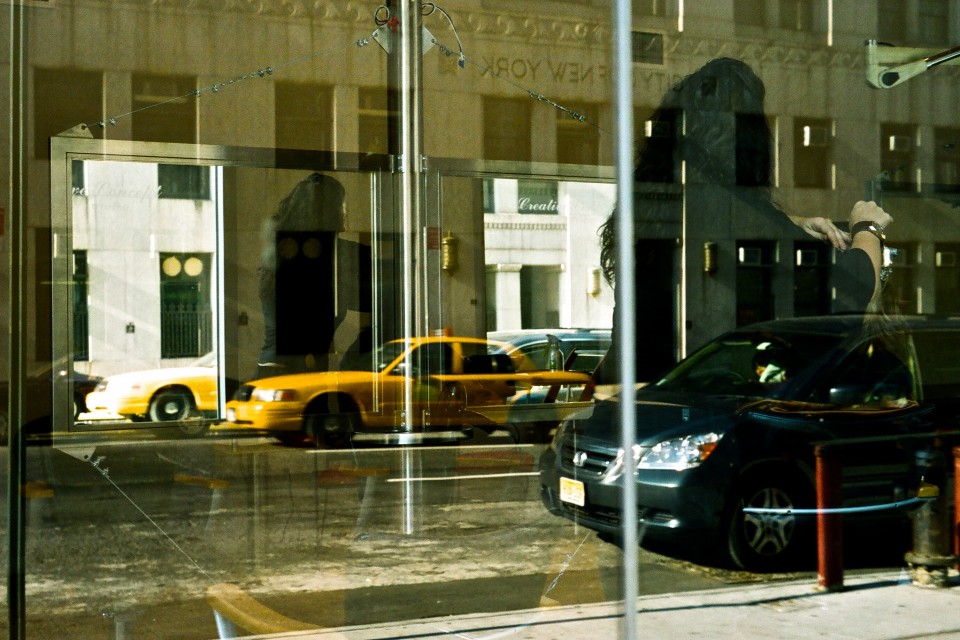
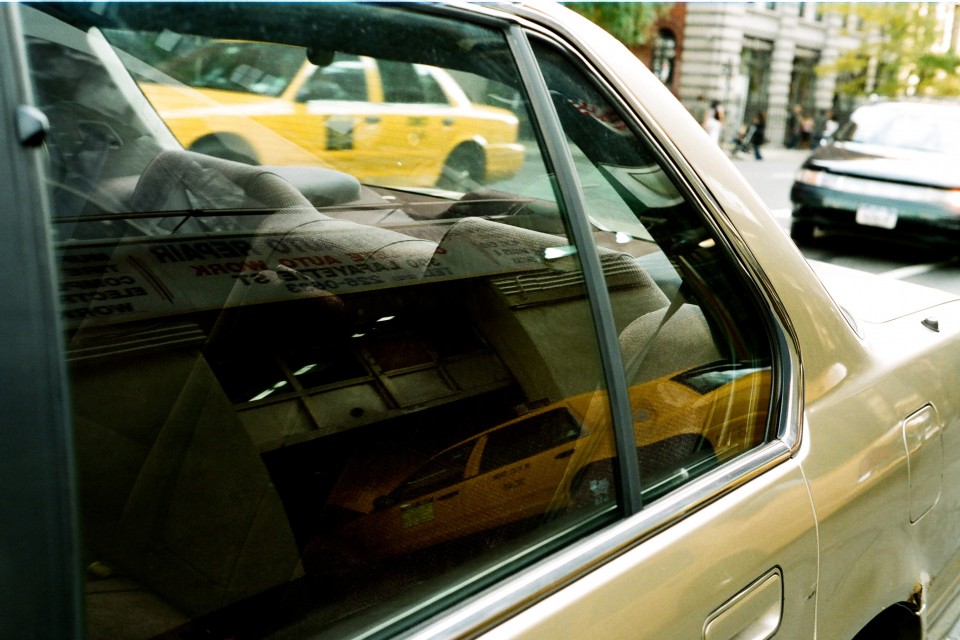
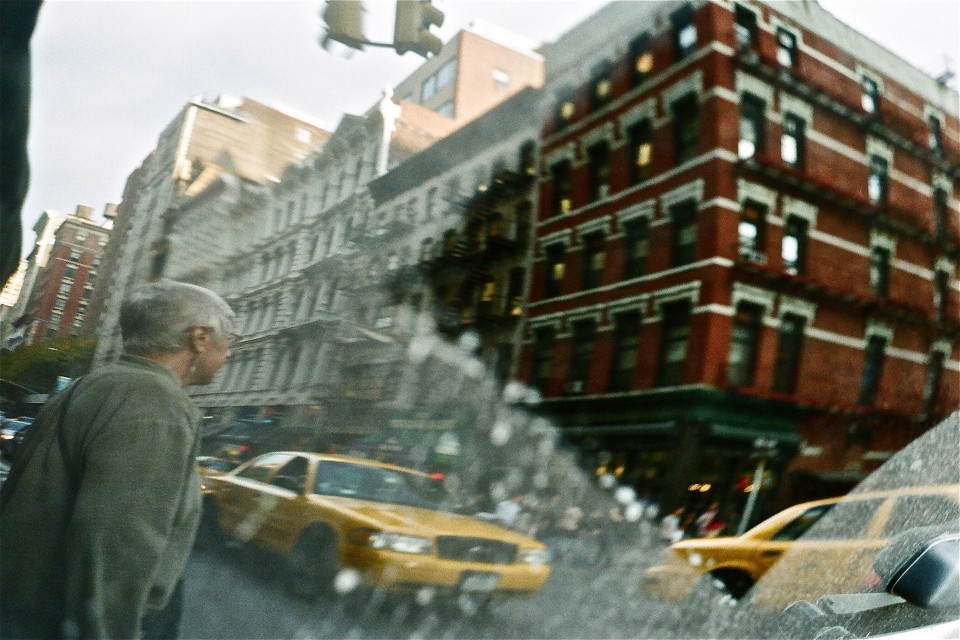
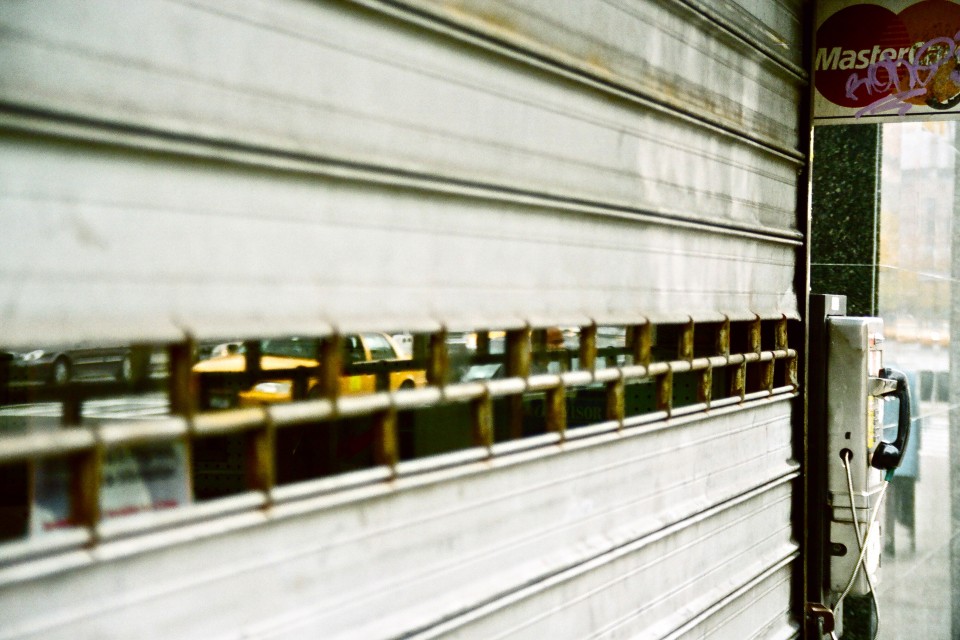
And a big yellow taxi
Took away my old man
Don't it always seem to go
That you don't know what you've got
Till it's gone
They paved paradise
And put up a parking lot
(JONI MITCHELL)
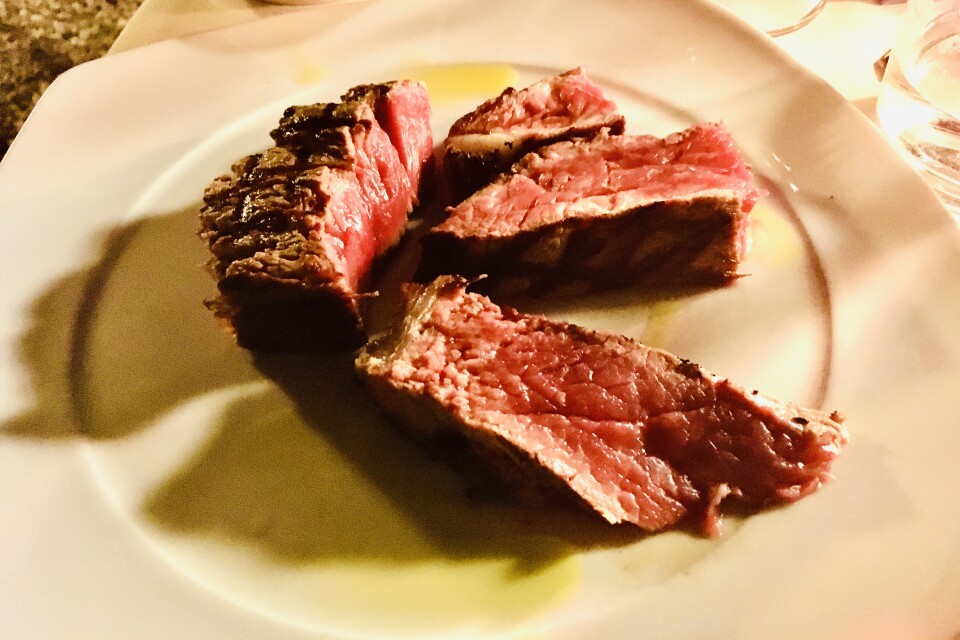
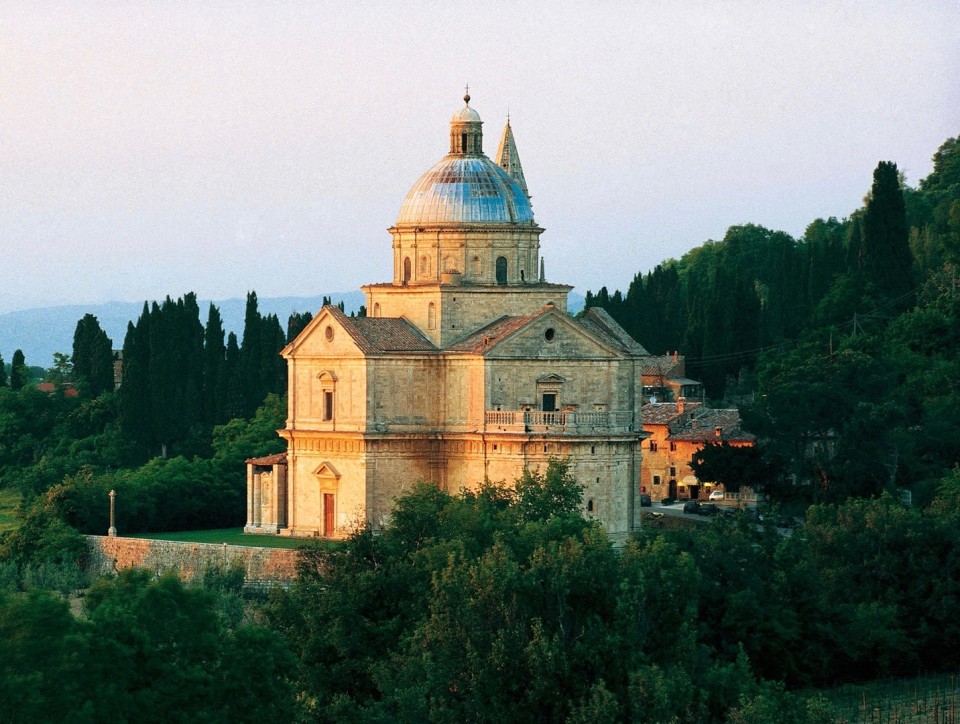
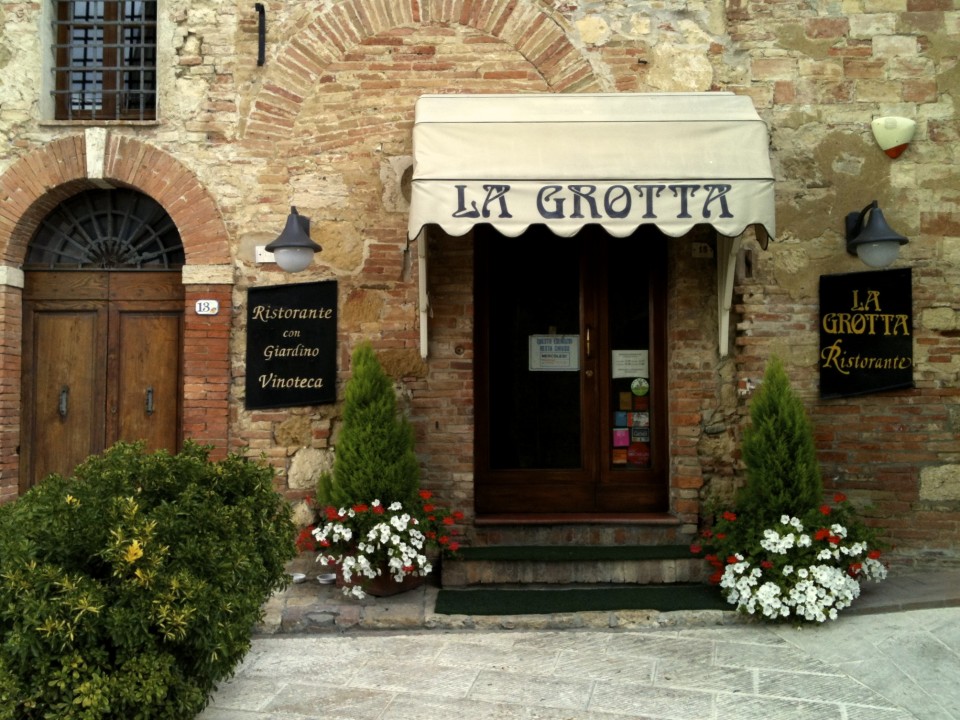
Cypress trees line the narrow road that runs along the foot of the "Monte Pulciano" on which hilltop the small but famous city of the same name (Montepulciano) is located. At the roadside you find the likewise famous church of the Madonna of San Biagio, which throughout the centuries served as a pilgrimage place to many believers. Nowadays the believers are rather profane, they come to eat the best steak in the world. What looks like a plain T-Bone steak is known all over Tuscany as "la Bistecca Fiorentina", which refers to its noble background in the city of the Medici rather than the origin of the meat itself that usually comes from an area 50 miles South of Florence called the Val di Chiana. The valley has given the special beef critters their name, "Razza Chianina". Even at first glance, the white Chianina beasts look exceptional, they are not only the oldest breed of cattle in Italy but also the largest in the world. With the pronounced shoulder blades and their almost haggardly looking body grazing the day away you can´t but get the impression of "sacred animals". Let´s slaughter the sacred cows! Christiana, while putting a magnificent 1.4 kilo steak on the grill, candidly admits that it is not her but the butcher, a certain Signore Maselli, we should praise, for it is the animal, its pasture and right aging that makes a perfect bistecca. Like a flat living sculpture, the shiny surface gleaming in different shades of earthy colors the bistecca is brought to the table and immediately cut into chunks of bloody beauty by Davide who then adds only a few drops of olive oil and some salt crystals. Ecco la Bistecca! Fire, meat, oil, salt, basta! In the beginning there was fire, the culinary illumination of mankind, which is still lighting the kitchens of the world today, but nowhere more beautifully than in the form of a Bistecca alla Fiorentina!